

ABOUT
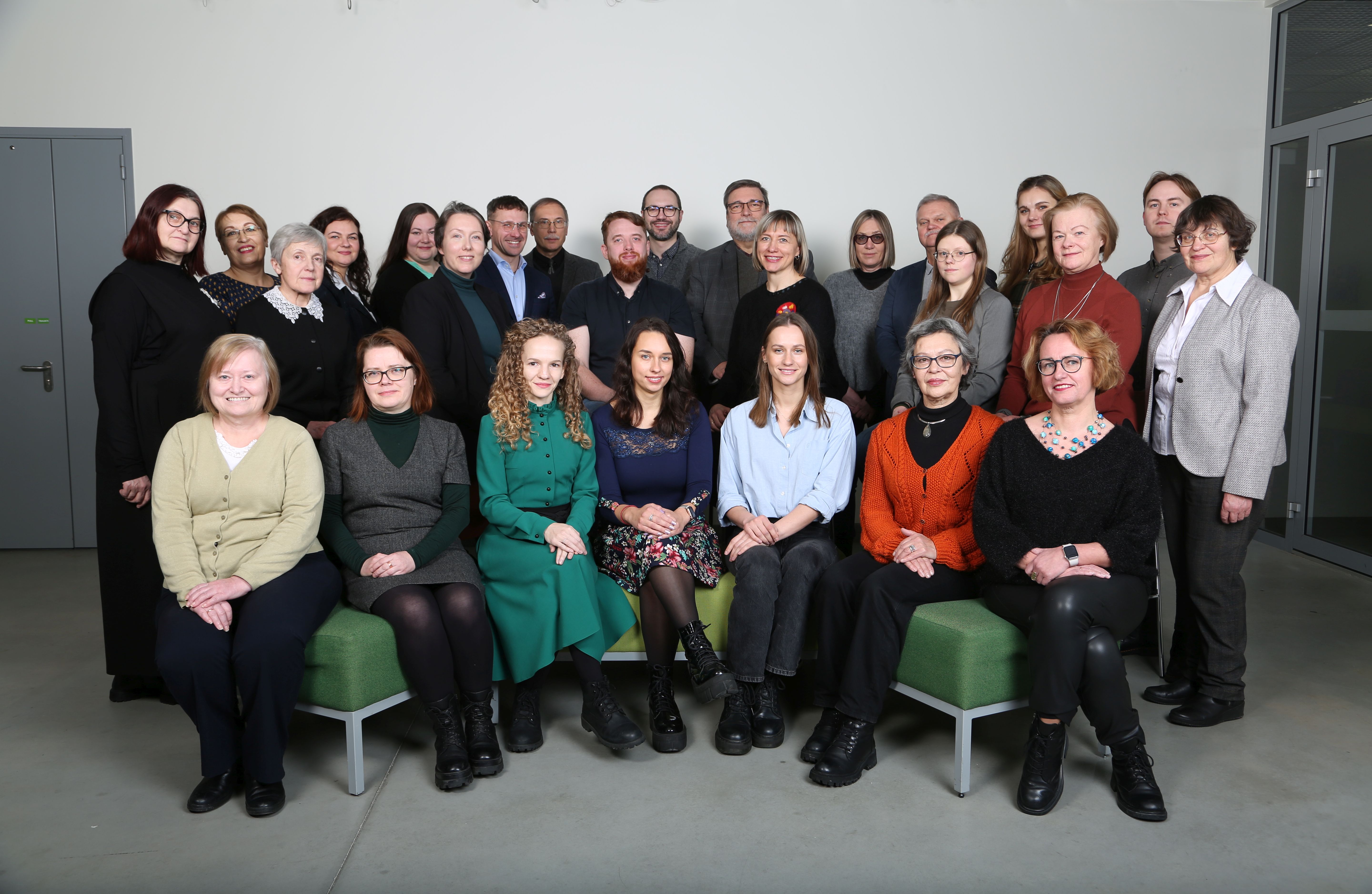
The history of the Department of Botany and Genetics at Vilnius University reaches back to 1781, when botany was first taught at the newly established Department of Natural History. Over the following centuries, botanical sciences flourished both in Vilnius and Kaunas, laying the foundations for today’s life sciences at Vilnius University. In 1940, with the relocation of the Faculty of Mathematics and Natural Sciences from Kaunas to Vilnius, the Department of Botany was officially established.
Genetics entered the university’s academic life later. Early studies began in the interwar years, but significant progress was made after World War II. In 1949, the Department of Darwinism and Genetics was founded, and by 1962, a dedicated group of geneticists had formed at the Department of Biochemistry, Biophysics, and Genetics. A key turning point occurred in 1972, when geneticists joined the Department of Botany, leading to the establishment of the Department of Botany and Genetics.
Today, the department is a vibrant hub of teaching and research. It coordinates Bachelor’s and Master’s programs in Genetics, contributes to all biomedical programs of the Life Sciences Center, and collaborates across faculties – from Biochemistry at the Faculty of Chemistry and Geosciences, to Pharmacy, Systems Biology, and Medical Genetics at the Faculty of Medicine, and Bioinformatics at the Faculty of Mathematics and Informatics. Research conducted at the department encompasses plant genetics, botany, genotoxicology, and human genetics – connecting tradition with cutting-edge science and providing students with a platform to explore the frontiers of modern biology.
Head of department:
Assoc. prof. Dr. Raimondas Šiukšta
RESEARCH
Botany, algology and mycology
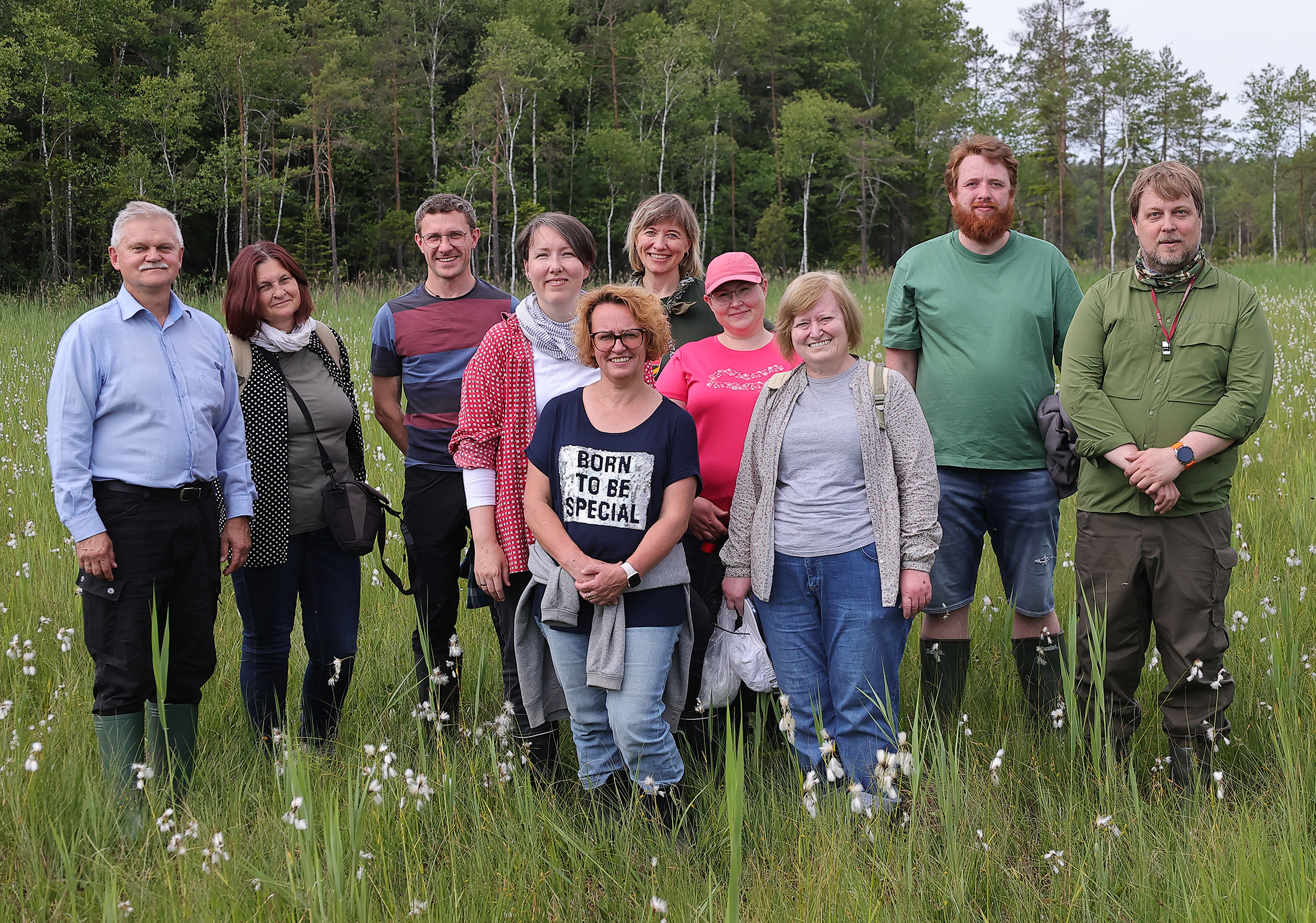
Botany, algology, and mycology research group, Laukagalis Bog, Labanoras Regional Park, 2023. Photo by J. Barzdėnas.
Members of the group (2023)
Principal investigator
Prof. Dr. (HP) Ernestas Kutorga
Group members
Rima Briškaitė
Sigitas Juzėnas
Julius Mačiulaitis
Audronė Meldžiukienė
Dr. Ingrida Prigodina Lukošienė
Dr. Mindaugas Rasimavičius
Dr. Radvilė Rimgailė-Voicik
Dr. Jonė Rukšėnienė
Petras Venckus
PhD students
| Anita Elizabeth Clarke |  |
| Eglė Vabuolė | 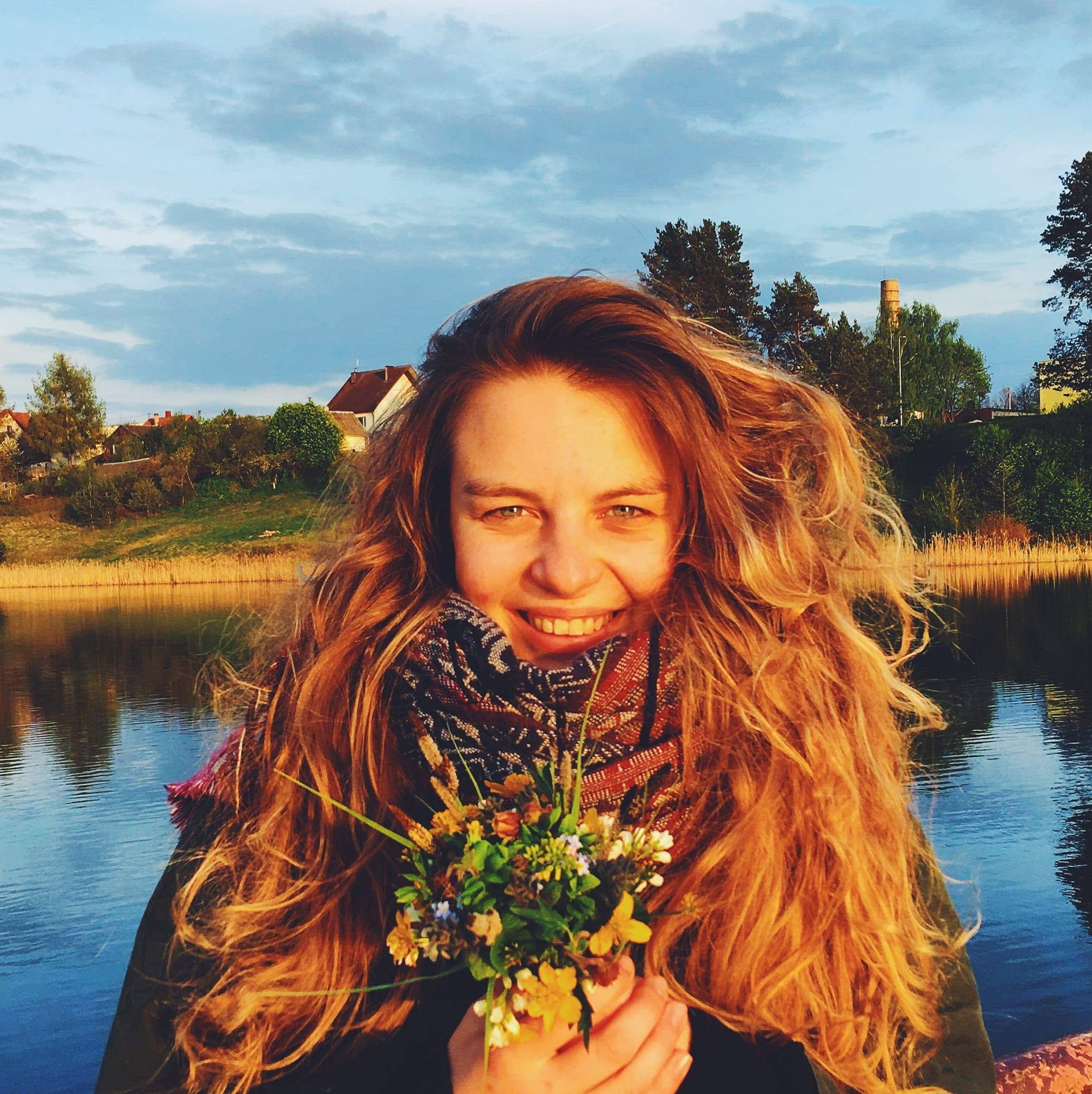 |
The Botany, Algology, and Mycology Research Group focuses on the diversity, biology, distribution, and ecology of plants, algae, fungi, and lichens. We integrate field and laboratory experimental methods to analyse questions in plant and fungal biology and ecology. We also study the history of botany and mycology in Lithuania.
The Herbarium of Vilnius University (WI), located within the Department of Botany and Genetics, boasts a substantial collection of dried plants, fungi, lichens, and algae for comparative and evolutionary studies. The collection, study, and preservation of plant, algal, lichen, and fungal specimens are essential tasks in providing research on the diversity and distribution of Lithuanian flora, algobiota, and mycobiota.
Plant Genetics Group
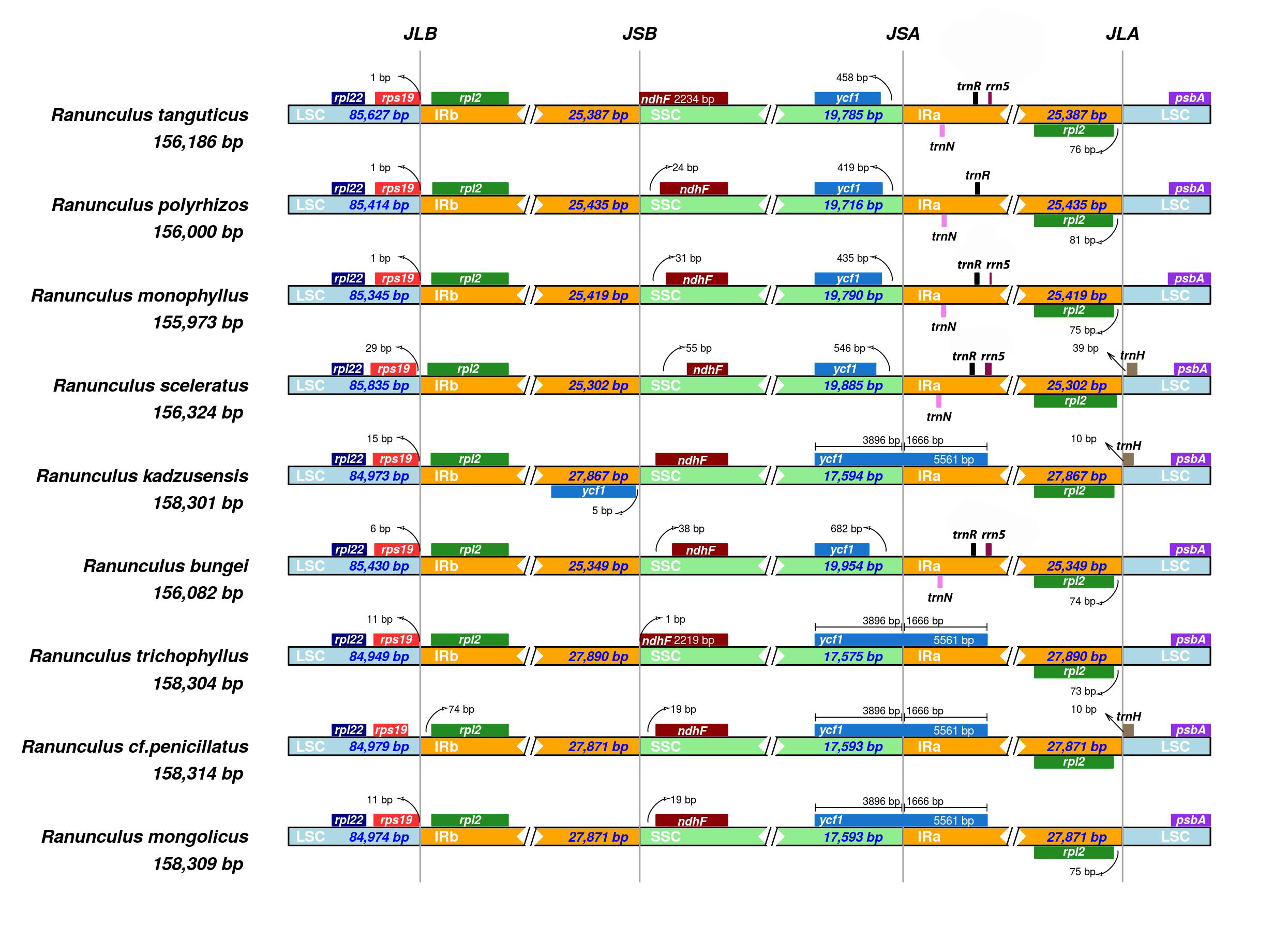
The Plant Genetics Group conducts research in three primary areas. Population genetic research focuses on understanding the role of plants as a key component of ecosystems under changing climate conditions. We investigate the genetic structure of plant populations to determine how climate change, habitat fragmentation, and biological interactions affect genetic diversity and population dynamics of native and alien species. Our plant taxonomy research encompasses molecular identification of hybrids and genomic analysis of taxonomically complex species groups, thereby helping clarify species classification and evolutionary relationships. Altogether, these studies contribute to a better understanding of the role of plants in ecosystems and support sustainable natural resource management in the context of global environmental change. Research in this field is conducted by Prof. Dr. Donatas Žvingila, Assoc. Prof. Dr. Jurgita Butkuvienė, Assoc. Prof. Dr. Jolanta Patamsytė, and PhD student Gelminė Vansevičiūtė.
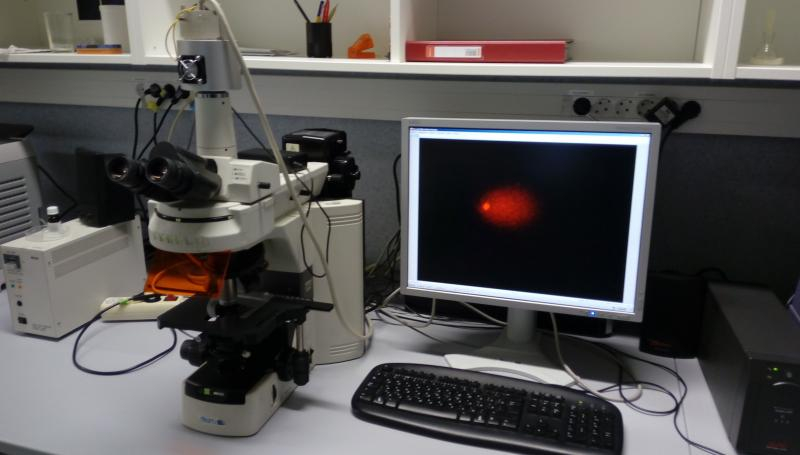
Another aspect of our investigation is the genotoxicological assessment of soil and water pollution using plant test systems. We apply biotests based on chromosome damage and micronucleus analysis to determine the impact of pollutants on genome stability. Plants are used as bioindicators, enabling a comprehensive evaluation of the genotoxic risk posed by environmental contaminants. Additionally, molecular and biochemical markers are applied to enhance the reliability of biomonitoring. Research in this field is conducted by the Association. Prof. Dr. Tatjana Čėsnienė.
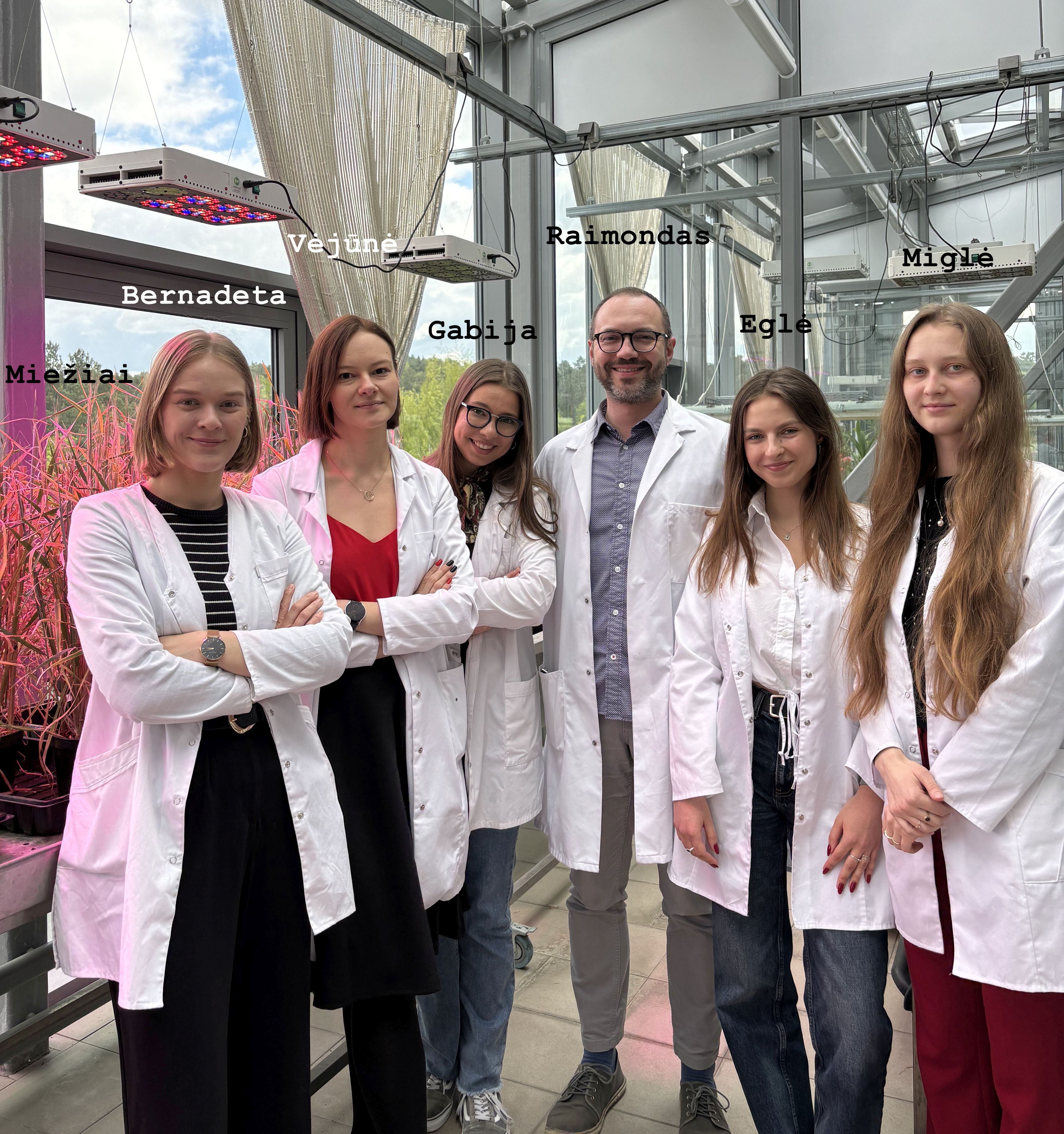
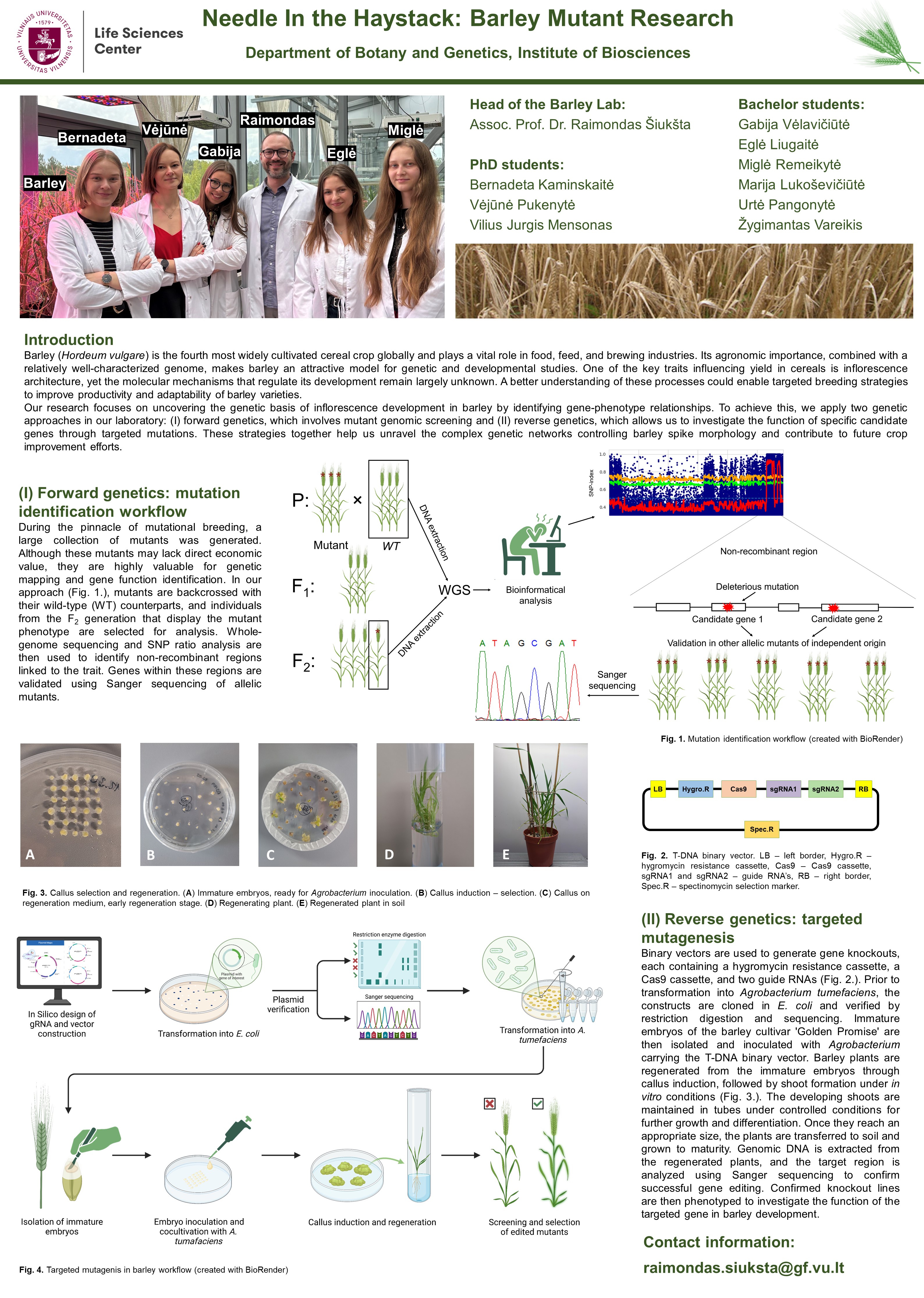
The new fast-growing research direction of the Plant Genetics Group focuses on functional genomics of cereals, particularly barley. This work is supported by one of the region’s most extensive collections of barley developmental mutants, housed in the University’s botanical garden. This research aims to identify genes responsible for important agronomic traits through whole-genome sequencing and genetic mapping in recombinant populations. Researchers conduct functional analysis of candidate genes and study their regulatory networks using CRISPR-Cas-based tools for targeted mutagenesis and transcriptome profiling of regenerants. These studies are crucial for understanding the genetic regulation of cereal development and ultimately contribute to breeding high-quality crop varieties that can better withstand the impacts of climate change on agriculture. Research in this field is conducted by the Assoc. Prof. Dr. Raimondas Šiukšta, PhD student Bernadeta Kaminskaitė, PhD student Vilius J. Mensonas, and PhD student Vėjūnė Pukenytė.
Human genome
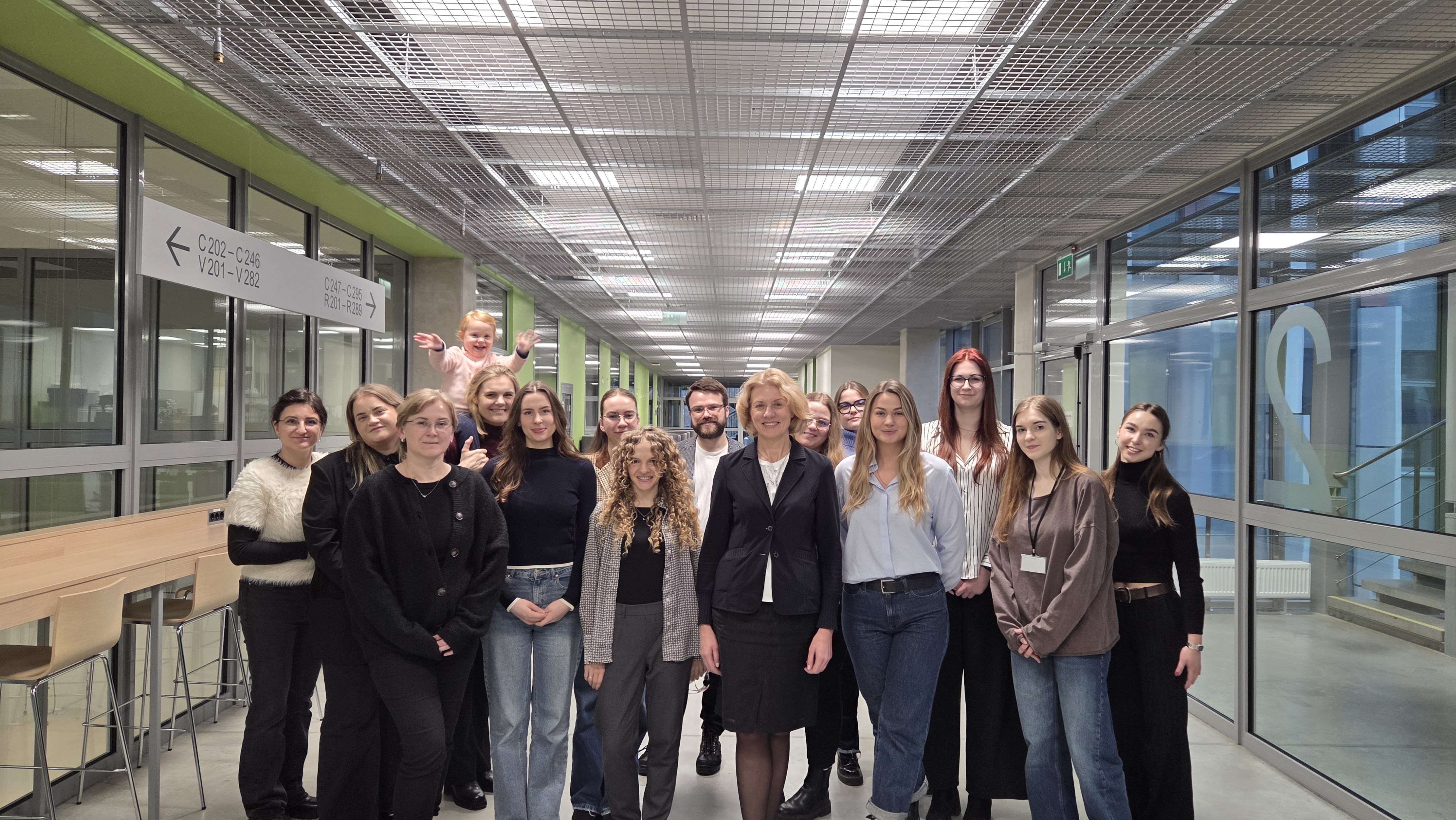
PI: Prof. Dr. S. Jarmalaitė
Research Team Members: PhD researchers Dr. I. Sadzevičienė, Dr. R. Kubiliūtė-Mikalauskienė, Dr. K. Šnipaitienė, Dr. D. Dabkevičienė;
PhD students: B. Buragaitė-Staponkienė, D. Jurkėnaitė, A. Šeštokaitė, D. Kaubrys, V. Žeromskienė, B. Baušys, U. Mickevičiūtė, A. Leveckytė
Molecular Diagnostics and Personalized Medicine
With an aging population, the burden of cancer and other non-communicable diseases is expected to rise. Rapid implementation of innovations remains the only strategy for successful control of these diseases. Our research group aims at genomic, epigenomic, transcriptomic profiling of disease damaged tissues for disease-specific biomarker identification and liquid biopsy-based personalized medicine tests development. Unique equipment for next generation, nanopore and pyro- sequencing, TaqMan arrays and microarrays allow genome-wide biomarker screening, as well as development and validation of innovative non-invasive tests. Liquid biopsy-based tests for prostate, kidney, ovarian cancer, and periodontal diseases have been developed. Currently we are working on the personalized medicine tests for bladder, testicular cancer as well as periimplantitis management.
Background:
Prof. Sonata Jarmalaitė‘s group focuses on genomics, epigenomics (DNA methylation, miRNAs), transcriptomics, and radiogenomics to identify clinically reliable biomarkers and develop non-invasive liquid biopsy-based diagnostic tools for cancer and other diseases detection, risk stratification and treatment personalization.
Main research directions:
- Combined genetic and epigenetic biomarker panels for liquid biopsy-based early cancer detection, disease monitoring, and risk stratification.
- Epigenetic biomarkers for periodontal, rheumatological and other disease diagnostics.
- Mechanisms of drug resistance development, new drug targets, in vitro treatment models.
Our strengths:
- Expertise in biomarker development: large-scale genome and epigenome profiling using NGS platforms, high-throughput qPCR microarrays for biomarker validation, and targeted quantitative assays (qPCR, dPCR).
- Proven translational pathway from biomarker discovery to patenting and commercialization – patent applications for kidney, prostate cancer and periodontitis biomarkers, as well as ongoing research in other oncologic (bladder cancer) and inflammatory (peri-implantitis) diseases.
- Active publication records and participation in international multicenter studies, contributing genomic and epigenomic expertise.
- Strong clinical partnerships enabling access to clinically annotated tissue and liquid biopsy cohorts.
Project activities:
- RCL Researcher Groups project “Epigenomic and metagenomic studies of bladder cancer for treatment personalization”, P-MIP-24-453, 2024–2027.
- RCL Researcher Groups project “Circulating miRNA profiling and functional analysis for peri-implant disease diagnostics and treatment”, P-MIP-24-290, 2024–2027.
- Future Biomedical Foundation project “Epigenetic biomarkers for early non-invasive renal cancer detection and treatment personalization”, 2023–2025.
- RCL Researcher Groups project “Blood eosinophil subtype-specific miRNAs as biomarkers and treatment targets in asthma”, S-MIP-21-17, 2021–2023.
- EU Structural Funds SMART project“Improved diagnostics and treatment of chronic periodontitis”, 01.2.2-LMT-K-718-01-0023, 2017–2021.
- RCL Researcher Groups project "Modern technologies to resolve a complex structure of tumor", S-MIP-17-54, 2017–2020.
Selected publications:
- Drobniene M, Breimelyte D, Sadzeviciene I, et al. [incl. Jarmalaite S]. Comprehensive genomic profiling can predict response to neoadjuvant chemotherapy in triple-negative breast cancer. 2025;80:104423.
- Zvirblyte J, Nainys J, Juzenas S, et al. [incl. Jarmalaite S]. Single-cell transcriptional profiling of clear cell renal cell carcinoma reveals a tumor-associated endothelial tip cell phenotype. Commun Biol. 2024;7(1):780.
- Senkin S, Moody S, Díaz-Gay M, et al. [incl. Jarmalaite S]. Geographic variation of mutagenic exposures in kidney cancer genomes. 2024. doi:10.1038/s41586-024-07368-2.
- Matulevicius A, Zukauskaite K, Gineikaite R, et al. [incl. Jarmalaitė S]. Combination of DNA methylation biomarkers with multiparametric magnetic resonance and ultrasound imaging fusion biopsy to detect the local spread of prostate cancer. 2023;83(16):1572–1583.
- Drazdauskiene U, Kapustina Z, Medziune J, et al. [incl. Jarmalaitė S]. Fusion sequencing via terminator-assisted synthesis (FTAS-seq) identifies TMPRSS2 fusion partners in prostate cancer. Mol Oncol. 2023;17(6):993–1006.
Partners:
MAIN PUBLICATIONS
Botany, algology and mycology
2024
Vabuolė E., Juzėnas S., Kutorga E., Habitat diversity, environmental conditions, and distribution of endangered fungus Sarcosoma globosum (Ascomycota) in Lithuania. – Journal of Fungi. 2024, vol. 10, no. 4, art. No. 263, p. 1–17. https://doi.org/10.3390/jof10040263
Rimgailė-Voicik R., Tupčiauskaitė J., Matulevičiūtė D., Horn K., Zonneveld B. J. M., Bennert H. W. Botrychium simplex (Ophioglossaceae) in the Baltic countries and adjacent areas – a monographic study. – Nova Hedwigia. 2024, Vol. 118, Issue 1–2, p. 183–239. DOI: 10.1127/nova_hedwigia/2024/0934
2023
Rasimavičius M., Naujalis J. R., Gudžinskas Z. Structure of Equisetum variegatum (Equisetaceae) populations in natural and anthropogenic habitats. – Botanica. 2023, vol. 29, no. 2, p. 96–109. https://doi.org/10.35513/Botlit.2023.2.7
Gudynienė V., Juzėnas S., Stukonis V., Mildažienė V., Ivankov A., Norkevičienė E. Comparing Non-Thermal Plasma and Cold Stratification: Which Pre-Sowing Treatment Benefits Wild Plant Emergence? – Plants. MDPI. 2023, vol.12, iss. 18, art. no. 3220, p. 1–18. eISSN: 2223-7747 ; DOI: 10.3390/plants12183220
Venckus P., Endriukaitytė I., Čekuolytė K., Gudiukaitė R., Pakalniškis A., Lastauskienė E. Effect of biosynthesized silver nanoparticles on the growth of the green microalga Haematococcus pluvialis and astaxanthin synthesis. – Nanomaterials, MDPI. 2023, vol. 23, no. 10, art. no. 1618, p. 1–14. eISSN: 2079-4991 ; DOI: 10.3390/nano13101618
2022
Clarke A.E., Rimgaile-Voicik R., Paškauskas R., Mažeika J. δ13C in above-ground and below-ground organs of Spinulum annotinum (Lycopodiaceae). – Flora. 2022, 294: 152119. https://doi.org/10.1016/j.flora.2022.152119
Iršėnaitė R., Kutorga E., Kvederavičiūtė K., Naujalis J. R., 2022. Tricholoma joachimii (Tricholomataceae, Basidiomycota), a rare European species new for the eastern Baltic region. – Nova Hedwigia, 114 (1-2): 77–89. DOI: 10.1127/nova_hedwigia/2022/0674
Jukonienė, I., Kalvaitienė, M. & Rasimavičius, M. 2022. On the distribution of some rare bryophyte species following revision of the K. Szafnagel collection. – Herzogia 35: 155–162.
Jukonienė I., Ričkienė A., Kalvaitienė M., Rasimavičius M. 2022. Zapiski bryologiczne by Kazimierz Szafnagel and His Herbarium in the Historical Context of Bryological Studies in Lithuania and Adjacent Regions. – Acta Societatis Botanicorum Poloniae 91. Article 9127:1–15. DOI: 10.5586/asbp.. 9127
Kostrakiewicz-Gierałt K., Pliszko A., Barabasz-Krasny B., Bomanowska A., Dajdok Z., Gudžinskas Z., Kucharczyk M., Maćkowiak Ł., Majk J., Możdżeń K., Podgórska M., Rasimavičius M., Rewicz A., Szczęśniak E., Wójcik T., Stachurska-Swakoń A. The Relationships of Habitat Conditions, Height Level, and Geographical Position with Fruit and Seed Traits in Populations of Invasive Vine Echinocystis lobata (Cucurbitaceae) in Central and Eastern Europe. – Forests. 2022, 13, 256. https://doi.org/10.3390/f13020256
Rimgailė‐Voicik R., Naujalis J.R. Techniques for locating and analyzing subterranean Lycopodium and Diphasiastrum gametophytes in the field. – Applications in Plant Sciences. 2022. 10(2): e11458. https://doi.org/10.1002/aps3.11458 Impact factor (2021): 2.511
Wolfe T.M., Hembach S., Petrašiūnas A., Juzėnas S., Stauffer C., Schuler H. First report of the American eastern cherry fruit fly Rhagoletis cingulata (Loew) (Diptera: Tephritidae) in Lithuania. – BioInvasions Records. 2022. 11(4): 893–899. https://doi.org/10.3391/bir.2022.11.4.08 Web of Science 2021 Impact Factor: 1.672
2021
Arbačiauskas, K., Augutis, D., Balčiauskas, L., Bastytė-Cseh, D., Brazaitis, G., Budrys, E., Bukelskis, E., Dagys, M., Dapkus, D., Ferenca, R., Gudžinskas, Z., Iršėnaitė, R., Ivinskis, P., Jukonienė, I., Juškaitis, J., Karpavičienė, B., Kasparavičius, J., Kaupinis, A., Kesminas, V., Kurlavičius, P., Kutorga, E., Matulevičiūtė, D., Motiejūnaitė, J., Naujalis, J. R., Patalauskaitė, D., Petrulaitis, L., Prigodina Lukošienė, I., Rasimavičius, M., Rašomavičius, R. (vyr. red.), Raudonikis, L., Rimšaitė, J., Sendžikaitė, J., Sinkevičienė, Z., Skujienė, G., Stanevičius, V., Steponėnas, A., Stončius, D., Subkaitė, M., Tamutis, V., Treinys, R., Uogintas, D., Uselienė, A., Uselis, V., Ūsaitis, T., Vaitonis, G., Virbickas, T., Višinskienė, G., Žalneravičius, E. Lietuvos raudonoji knyga. Gyvūnai, augalai, grybai. Vilnius: Leidykla “Lututė”, 2021. ISBN 978-9955-37-230-1.
Gudžinskas, Z., Rasimavičius, M. Variation in hip and sepal parameters of invasive Rosa rugosa between sites and years. Botanica. 2021, 27(1): 1–12.
Gudyniene, V., Juzenas, S., Stukonis, V., Norkeviciene, E. Sowing mixtures of native plant species: are there any differences between hydroseeding and regular seeding? Plants. 2021, 10(11): 2507.
Venckus, P., Cicchi, B., Chini Zittelli, G. Effects of medium salinity on growth and biochemical composition of the green microalga Tetraselmis suecica. Journal of Applied Phycology. 2021, 33: 3555–3563.
2020
Konferencija, skirta profesoriaus Antano Minkevičiaus 120-osioms gimimo metinėms paminėti. 2020 m. gruodžio 10 d. Vilniaus universitetas, Vilnius. Konferencijos medžiaga / Kutorga E. (atsak. red.). – Vilnius: Vilniaus universiteto leidykla, 2020. ISBN 978-609-07-0555-1.
Kutorga, E. Lietuvos grybai (Mycota Lithuaniae), Volume 3, Book 6: Inoperkuliniai diskomicetai (Discomycetes inoperculatae). Vilnius: Vilniaus universiteto leidykla, 2020. ISBN 978-609-07-0390-8.
Tupčiauskaitė, J.; Rimgailė-Voicik, R. Professor Povilas Snarskis – life dedicated to the research of Lithuanian flora. Botanica. 2020, 26(1): 101–108.
Tupčiauskaitė, J.; Rimgailė-Voicik, R.; Rasimavičius, M. Newly discovered Poaceae specimens in the Herbarium of Vilnius University collected by Povilas Snarskis (1889–1969). Botanica. 2020, 26(2): 138–149.
2019
Iršėnaitė R., Arslanova T., Kasparavičius J., Kutorga E., Markovskaja S., Matulevičiūtė D., Taraškevičius R., Motiejūnaitė J. Effects of a great cormorant colony on wood-inhabiting fungal communities in a coastal Scots pine forest. Fungal Ecology. 2019, 41: 82–91.
Schnittler, M., Horn, K., Kaufmann, R., Rimgailė-Voicik, R., Klahr, A., Bog, M., Fuchs, J., Bennert, H. W. Genetic diversity and hybrid formation in Central European club-mosses (Diphasiastrum, Lycopodiaceae) – New insights from cp microsatellites, two nuclear markers and AFLP. Molecular Phylogenetics and Evolution. 2019, 131: 181–192.
2018
Venckus P., Paliulis S., Kostkevičiene J., Dementjev A. CARS microscopy of scytonemin in cyanobacteria Nostoc commune. Journal of Raman Spectroscopy. 2018, 49(8): 1333-1338. DOI: 10.1002/jrs.5388.
Jukonienė I., Rasimavičius M., Ričkienė A., Subkaitė M. S. B. Gorski’s Bryological Collection in the Herbarium of Vilnius University. Acta Societatis Botanicorum Poloniae. 2018, 87(3): 3588. DOI: https://doi.org/10.5586/asbp.3588.
Motiejūnaitė J., Buožytė R., Adamonytė G., Iršėnaitė R., Kasparavičius J., Kutorga E., Markovskaja S., Stakėnas V. and Klyukina E. Residual effect of induced water stress and nitrogen addition on the mycobiota in Scots pine stands. Russian Journal of Ecology. 2018, 49 (3): 226–231. DOI: 10.1134/S1067413618030050.
2017
Gudžinskas, Z., Rasimavičius, M. The distribution, state, and conservation of Equisetum telmateia in Lithuania. Botanica Lithuanica. 2017, 23(1): 17–32.
Venckus, P., Kostkevičienė, J., Bendikienė, V. The cultivation of green algae Chlorella vulgaris in municipal wastewater and its biomass composition. J Environ Eng Landsc. 2017, 25(1): 56–63.
Motiejūnaitė, J., Markovskaja, S., Kutorga, E., Iršėnaitė, R., Kasparavičius, J., Kačergius, A., Lygis V. Alien fungi in Lithuania: list of species, current status and trophic structure. Botanica Lithuanica. 2017, 23(2): 139–152.
Plant genetics
Butkuvienė J, Sinkevičienė Z, Naugžemys D, Patamsytė J, Žvingila D. Genetic diversity of Batrachium (Ranunculaceae) species reveals the necessity of their protection in Lithuanian rivers. Aquatic Botany. 2017; 142:61–70 (IF=1,714; Q2)
Šiukšta R, Vaitkūnienė V, Kaselytė G, Okockytė V, Žukauskaitė J, Žvingila D, Rančelis V. Inherited phenotype instability of inflorescence and floral organ development in homeotic barley double mutants and its specific modification by auxin inhibitors and 2,4-D. Annals of Botany. 2015; 115: 651–63 (IF=4,041; Q1)
Rancelis V, Cesniene T, Kleizaite V, Zvingila D, Balciuniene L. Influence of cobalt uptake into Vicia faba seeds on chlorophyll morphosis induction, SOD polymorphism and DNA methylation. Environmental Toxicology. 2012; 27(1):32–41 (IF=2,937; Q2)
Rancelis V, Cesniene T, Zvingila D, Barysas D, Balciuniene L, Dapkuniene S. Polymorphism of response to cobalt excess in individual Vicia faba plants. Environmental and Experimental Botany. 2006; 55:221–34 (IF=4,369; Q1)
Kleizaite V., Cesniene T., Rancelis V. The use of cobalt-induced chlorophyll morphoses for studying Co2+ interactions with cysteine and SOD. Plant Science. 2004; 167:1249–56 (IF=3,437; Q1)
Genotoxicology
Kundrotas G, Gasperskaja E, Slapsyte G, Gudleviciene Z, Krasko J, Stumbryte A, Liudkeviciene R. Identity, proliferation capacity, genomic stability and novel senescence markers of mesenchymal stem cells isolated from low volume of human bone marrow. Oncotarget. 2016; 7:10788–802 (IF=5,168; Q1)
Jones N, Ougham H, Thomas H, Pasakinskiene I. Markers and mapping revisited: finding your gene. New Phytologist. 2009; 183(4): 935-966 (IF=7,33; Q1)
Bonassi S, Norppa H, Ceppi M, Stromberg U, Vermeulen R, Znaor A, Cebulska-Wasilewska A, Fabianova E, Fucic A, Gundy S, Hansteen IL, Knudsen LE, Lazutka J, Rossner P, Sram RJ, Boffetta P. Chromosomal aberration frequency in lymphocytes predicts the risk of cancer: results from a pooled cohort study of 22 358 subjects in 11 countries. Carcinogenesis. 2008; 29:1178–83 (IF=5,105; Q1)
Lazutka JR, Mierauskienė J, Slapšytė G, Dedonytė G. Genotoxicity of dill (Anethum graveolens L.), peppermint (Mentha piperita L.) and pine (Pinus sylvestris L.) essential oils in human lymphocytes and Drosophila melanogaster. Food and Chemical Toxicology. 2001; 39:485–92 (IF=3,778; Q1)
Human genome
Drobniene M, Breimelyte D, Sadzeviciene I, et al. [Jarmalaite S]. Comprehensive genomic profiling can predict response to neoadjuvant chemotherapy in triple-negative breast cancer. 2025;80:104423.
Zvirblyte J, Nainys J, Juzenas S, et al. [Jarmalaite S]. Single-cell transcriptional profiling of clear cell renal cell carcinoma reveals a tumor-associated endothelial tip cell phenotype. Commun Biol. 2024;7(1):780.
Senkin S, Moody S, Díaz-Gay M, et al. [Jarmalaite S]. Geographic variation of mutagenic exposures in kidney cancer genomes. 2024. doi:10.1038/s41586-024-07368-2.
Matulevicius A, Zukauskaite K, Gineikaite R, et al. [Jarmalaitė S]. Combination of DNA methylation biomarkers with multiparametric magnetic resonance and ultrasound imaging fusion biopsy to detect the local spread of prostate cancer. 2023;83(16):1572–1583.
Drazdauskiene U, Kapustina Z, Medziune J, et al. [Jarmalaitė S]. Fusion sequencing via terminator-assisted synthesis (FTAS-seq) identifies TMPRSS2 fusion partners in prostate cancer. Mol Oncol. 2023;17(6):993–1006.
DEPARTMENT STAFF
|
Employee |
Position |
Contacts |
Courses taught |
List of Publications |
| Dr. Raimondas Šiukšta | Head of Department, Associate Professor, Senior Researcher |
+370 5 239 8261 Saulėtekio al. 7, V429 kab. |
 |
 |
| Dr. Milda Babonaitė | Assistant Professor | |
|
|
| Rima Briškaitė | Laboratory assistant |
+370 5 239 8263 Saulėtekio al. 7, V147 kab. |
|
|
| Dr. Jurgita Butkuvienė | Associate Professor, Researcher | |
|
|
| Anita Elizabeth Clarke | Teaching Assistant, PhD student | |
||
| Dr. Tatjana Čėsnienė | Associate Professor |
+370 5 239 8261 Saulėtekio al. 7, V429 kab. |
|
|
| Dr. Daiva Dabkevičienė | Researcher | |
||
| Dr. Kristina Daniūnaitė | Associate Professor, Senior Researcher |
+370 5 223 4441 Saulėtekio al. 7, C205 kab. |
|
|
| Dr. Veronika Dedonytė | Associate Professor, Researcher |
+370 5 239 8260 Saulėtekio al. 7, C231 kab. |
|
|
| Dr. (HP) Sonata Jarmalaitė | Professor |
+370 5 219 3242 Saulėtekio al. 7, C209 kab. |
|
|
| Akvilė Jucevičiūtė | Junior laboratory assistant | |
||
| Sigitas Juzėnas | Lecturer |
+370 5 223 4440 Saulėtekio al. 7, V143 kab. |
|
|
| Bernadeta Kaminskaitė | Junior administrator, PhD student | |||
| Justinas Kavoliūnas | Teaching Assistant | |
||
| Dr. Raimonda Kubiliūtė-Mikalauskienė | Assistant Professor, Researcher |
+370 5 223 4442 Saulėtekio al. 7, C207 kab. |
|
|
| Dr. (HP) Ernestas Kutorga | Professor |
+370 5 239 8250 Saulėtekio al. 7, V141 kab. |
|
|
| Professor |
+370 5 268 7051 Saulėtekio al. 7, C354 kab. |
|
|
|
| Julius Mačiulaitis | Laboratory assistant | |||
| Rūta Maleckaitė | Lecturer, PhD student | |
|
|
| Audronė Meldžiukienė | Lecturer |
+370 5 239 8253 Saulėtekio al. 7, V145 kab. |
|
|
| Vilius Jurgis Mensonas | Teaching Assistant, PhD student | |
|
|
| Dr. Kristina Noreikienė | Associate Professor, Senior Researcher | |
|
|
| Dr. Jolanta Patamsytė | Associate Professor, Senior Researcher |
+370 5 223 4443 Saulėtekio al. 7, V425 kab. |
|
|
| Dr. Ingrida Prigodina-Lukošienė | Assistant Professor |
+370 5 239 8201 Saulėtekio al. 7, C149 kab. |
|
|
| Vėjūnė Pukenytė | Teaching Assistant, Laboratory assistant, PhD student | |
|
|
| Dr. Mindaugas Rasimavičius |
Researcher |
+370 5 223 4355; 239 8263 Saulėtekio al. 7, V147 kab. |
|
|
| Miglė Remeikytė | Junior laboratory assistant | |||
| Dr. Radvilė Rimgailė-Voicik | Associate Professor, Senior Researcher |
+370 5 239 8253 Saulėtekio al. 7, V145 kab. |
|
|
| Dr. Rasa Sabaliauskaitė | Associate Professor | |
|
|
| Dr. Ieva Sadzevičienė | Researcher | |
||
| Aistė Sipavičiūtė | Lecturer, Researcher biologist, Laboratory assistant | |
||
| Asta Stapulionytė | Lecturer, Senior laboratory assistant |
+370 5 239 8259 Saulėtekio al. 7, C235 kab. |
|
|
| Emilija Striogaitė | Teaching Assistant, PhD student | |
|
|
| Dr. Kristina Šnipaitienė | Senior Researcher |
+370 5 223 4442 Saulėtekio al. 7, C207 kab. |
|
|
| Vita Tomkutė-Taujanskienė | Lecturer | |
|
|
| Petras Venckus | Lecturer |
+370 5 239 8254 Saulėtekio al. 7, V113 kab. |
|
|
| Dr. (HP) Donatas Žvingila | Professor |
+370 5 239 8252 Saulėtekio al. 7, V427 kab. |
|
|