

The Group of Cellular and Molecular Neurobiology
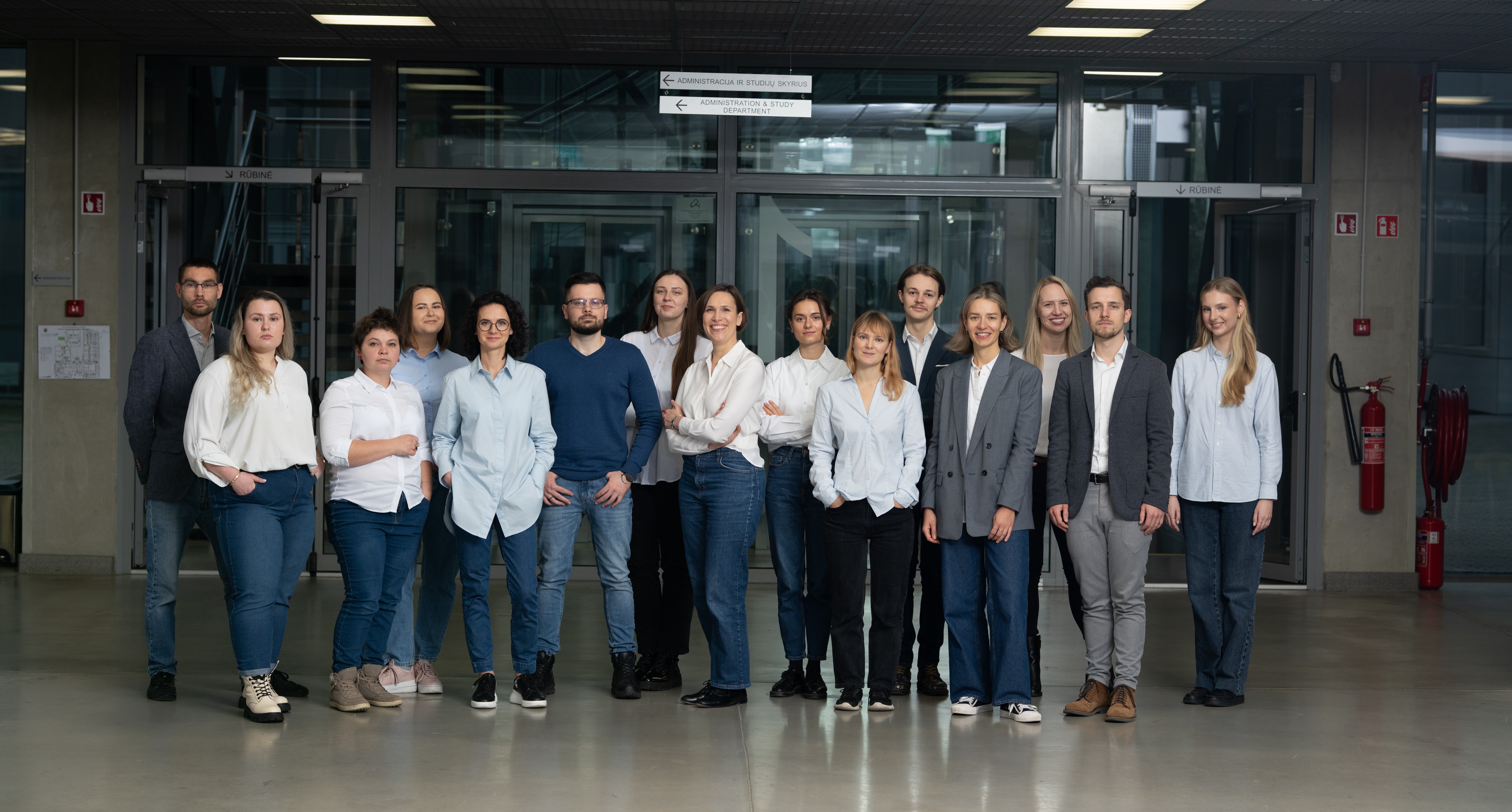
The Group of Cellular and Molecular Neurobiology at the Department of Neurobiology and Biophysics of the Institute of Biosciences aims to understand the molecular cues for the refinement of developing brain circuits in a neuron-autonomous and glia-dependent manner.
From birth to adulthood, the human brain loses about half of the neuronal connections pre-formed during early development. Proper selection and elimination of superfluous synapses is critical for establishing a mature, capable brain, as both under-pruning and over-pruning of connections lead to neurodevelopmental and neuropsychiatric disorders. The clearance of unnecessary connections has been attributed to the brain's immune cells – microglia. Our ambition is to define molecular “eat-me” and “spare-me” signals that mediate neuron-microglia interactions, guide synaptic discrimination, and instruct the removal of a subset of synapses. We focus on non-proteinaceous molecules on the synaptic plasma membrane: lipids and glycans. We have previously demonstrated that phosphatidylserine exposure on developing axons is critical for the pruning of redundant projections to establish structurally and functionally mature networks. Currently, we have shifted our focus to the neuronal glycocalyx and its transformation during circuit development, in the context of synaptic activity, as well as over the course of evolution. We use genetically modified mice, ex vivo brain tissue cultures, and iPSC-derived brain cells. We supplement these models with the secondary use of surgically resected human brain tissue for direct investigations of human brain circuitry. We develop novel molecular tools for rapid, selective, and sensitive labelling of synaptic surface molecules and complement high-resolution fluorescent microscopy with electrophysiology techniques and animal behaviour experiments. By elucidating the molecular signatures of synapses destined for elimination, we aim to gain explicit insight into the molecular cascades underlying the developmental pruning of maturing circuits in the mammalian brain.