|
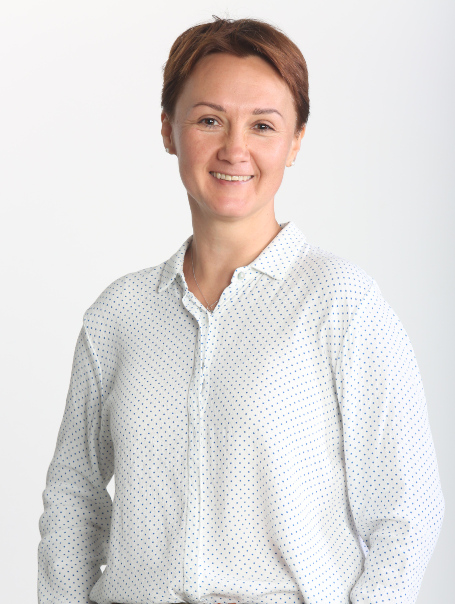
Group leader |
Prof. Ramunė Grikšienė leads the Hormones and Brain Function Research Group at the Life Sciences Center, Vilnius University. The group investigates how sex and stress hormones interact with brain function and relate to cognition, emotion, social behavior, and stress responses, combining EEG/ERP, eye-tracking, peripheral psychophysiological recordings, hormone assessments, and behavioral methods. Particular emphasis is placed on women’s brain and mental health across hormonal transitions, including the menstrual cycle, hormonal contraception, premenstrual disorders, perimenopause, and menopause. The group aims to understand why individuals respond differently to similar hormonal changes and how this knowledge can contribute to a better understanding and promotion of mental and brain health across the lifespan. |
|
|
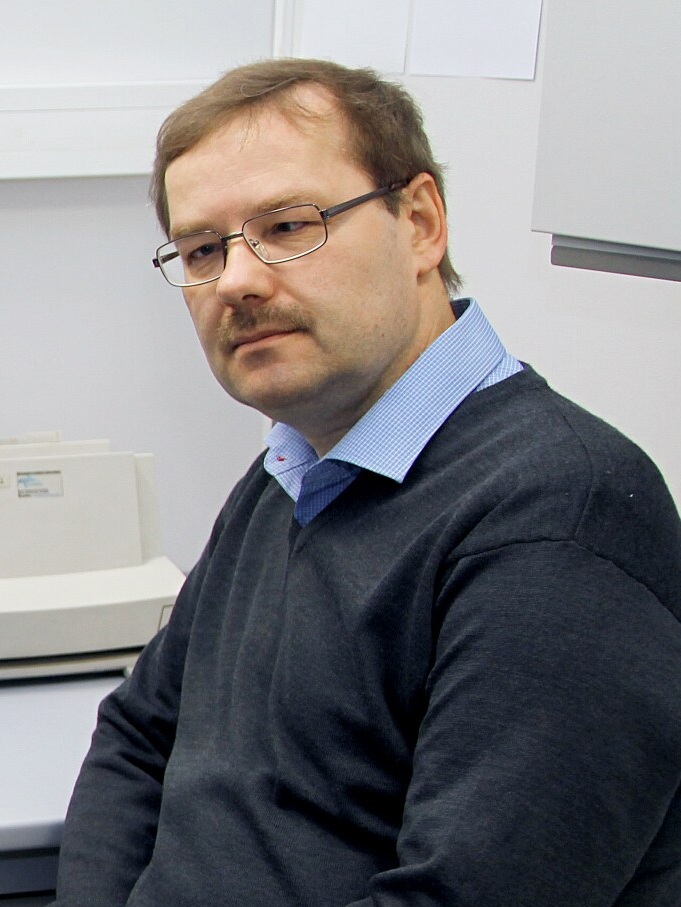
Researcher Dr. Alvydas Šoliūnas |
Dr. Alvydas Šoliūnas obtained a PhD in Natural Sciences (Neurobiology) from Vilnius University in 1997 and currently works as a research fellow in the Hormones and Brain Functions Research Group at the Life Sciences Center. His primary research focus is the psychophysics of human visual perception, specifically investigating the analysis of image properties (such as symmetry, similarity, and complexity) and the dynamics of recognition (including parallel vs. serial processing, as well as short-term and long-term memory mechanisms). The research utilizes software developed in E-Prime or Python, with visual stimuli presented on a computer screen. Currently, his work covers two main areas: (1) identifying the frequencies of synchronized neuronal activity during image recognition by presenting stimuli at various frequencies on a computer screen; and (2) uncovering the discrete nature of brain processes by searching for "time quanta"—the smallest time intervals within which the brain operates during the process of image recognition. Research in the latter area is conducted in collaboration with the group led by Rytis Stanikūnas at the Institute of Psychology at Vilnius University. |
|
|
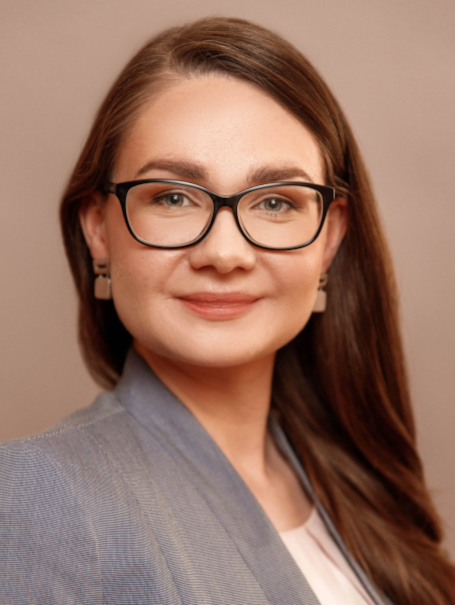
Assitant professor, Researcher Dr. Rimantė Gaižauskaitė |
Dr. Rimantė Gaižauskaitė holds a PhD in Biophysics and works in the Hormones and Brain Function Research Group at the Life Sciences Center, Vilnius University. Cognitive functions are central to her research. In her doctoral dissertation, defended in 2025, she used electroencephalography (EEG) and behavioral methods to study how sex, the menstrual cycle and hormonal contraception relate to cognitive functions and emotional processing. She now continues this line of research in the field of menopause as part of the MenoBrain project. Rimantė aims to contribute to the search for neurophysiological markers that could help detect changes in cognitive functioning earlier and to better understand how these changes relate to menopausal symptoms. In her research, Rimantė uses a range of psychophysiological methods, including EEG, skin conductance recording and hormone analysis with ELISA. Alongside her research, she teaches biostatistics and data analysis with R to students at Vilnius University. |
|
|
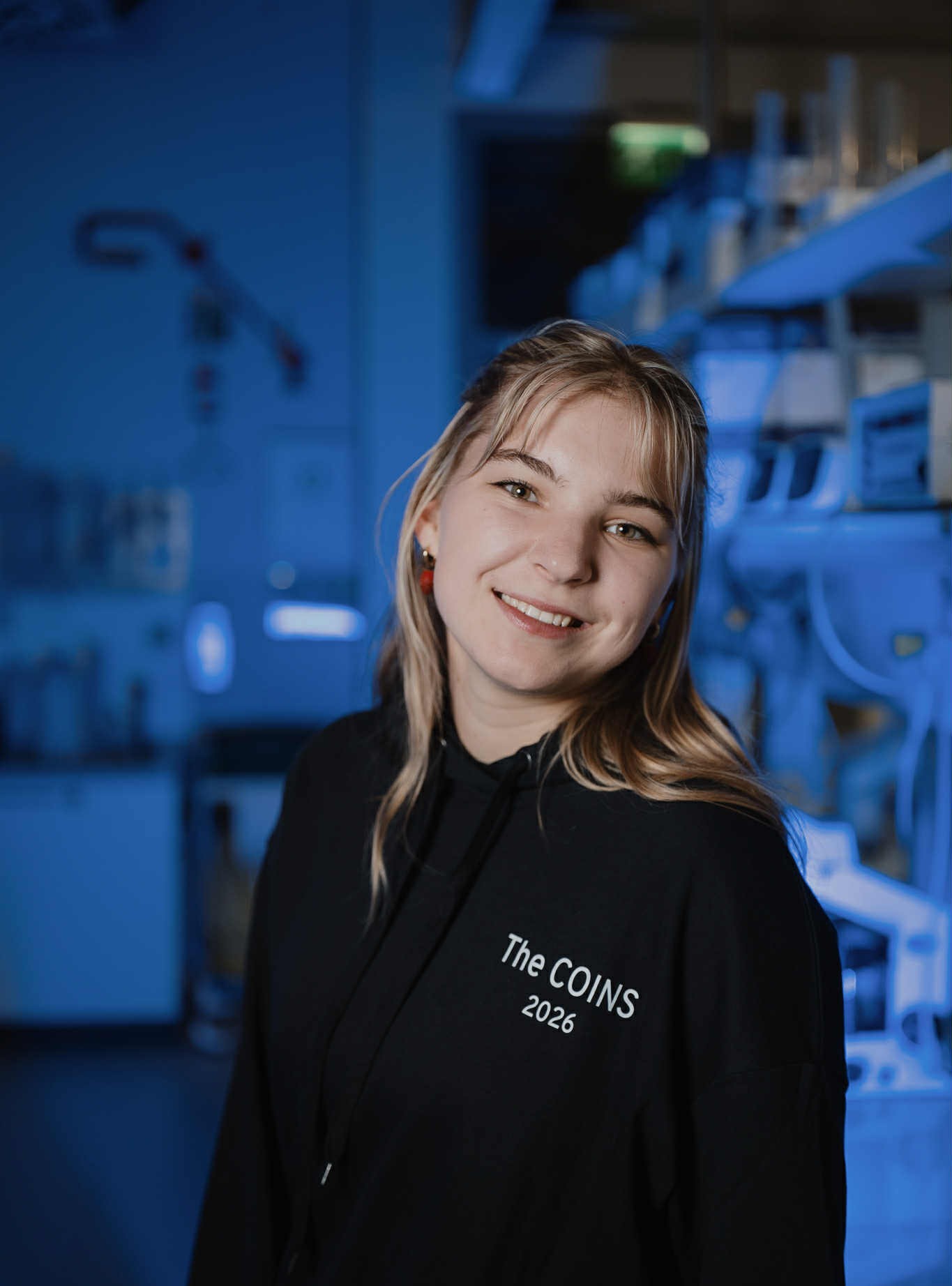
Assistant professor, Researcher Dr. Ingrida Zelionkaitė |
Dr. Ingrida Zelionkaitė obtained her PhD in 2025 and works in the Hormones and Brain Function Research Group at the Life Sciences Center, Vilnius University. She is a researcher in psychoneuroendocrinology and psychophysiology, focusing on the interactions between hormones, brain function, cognition, emotions, and psychological well-being. Her research examines how sex and stress hormones are associated with affective, cognitive, and social processes, with particular interest in women's mental health and hormonal transitions across the menstrual cycle. She employs a range of methods, including hormonal assessments (ELISA), electroencephalography (EEG), eye-tracking (gaze parameters and pupillometry), and behavioral assessments. Currently, she is involved in research investigating mindfulness-based interventions for stress and burnout prevention, psychophysiological biomarkers of premenstrual disorders, and menstrual cycle-related changes in cognition, emotions, and self-perception. |
|
|
PhD student, Medical doctor Ieva Brimienė |
MD Ieva Brimienė is an obstetrician-gynecologist and a PhD student at the Life Sciences Center of Vilnius University. Her dissertation is titled “Associations of Menopausal Symptoms with Sex Hormones, Stress, Gut and Vaginal Microbiota.” Her research focuses on the relationships between menopausal symptoms, changes in sex hormones levels, stress, and the composition of the gut and vaginal microbiota. Her research aims to better understand how biological changes during the menopausal transition contribute to menopausal symptoms. In her clinical practice, Ieva provides gynecological consultations and performs gynecological surgeries. Her professional goal is to integrate clinical experience with scientific knowledge to provide individualized, evidence-based care for women's health, with a particular focus on the menopausal transition. | |
|
PhD student, Teaching assistant Erik Ilkevič |
Erik Ilkevič earned his BSc in Genetics and MSc in Neurobiology at the Life Sciences Center of Vilnius University and is currently a PhD student in the Hormones and Brain Function Research Group. Erik studies how testosterone, cortisol, and their interaction relate to men’s perception of psychosocial stress and emotion regulation abilities. In his doctoral research, Erik applies a range of psychophysiological methods: measures salivary hormone concentrations using ELISA, analyzes heart rate variability parameters, utilizes psychological questionnaires, and assesses participants’ behavioral responses. He pays particular attention to pupillometry, which assesses autonomic nervous system activity based on changes in pupil diameter. In addition to his doctoral research, Erik collaborates with researchers from Ruhr University Bochum in Germany, who also use pupillometry in emotion regulation research. |
|
|
PhD student Lauryna Filatovaitė-Vyčienė |
Lauryna Filatovaitė-Vyčienė is a PhD student in the Hormones and Brain Function Research Group. Her dissertation is titled "Premenstrual Disorders (PMS and PMDD): Assessing Women's Psychological (Emotional) Well-being and Identifying Psychophysiological Biomarkers." Lauryna also works as a laboratory technician and supervises research conducted for students’ final theses. She earned her BA in Psychology from the Faculty of Philosophy at Vilnius University, then completed an MSc in Clinical Neuroscience at Utrecht University in the Netherlands. She worked as a research intern and research assistant at the Wilhelmina Children's Hospital in the Netherlands and at the University of Cambridge in the United Kingdom. In both roles, she used scientific methods to address clinical problems in neuroscience. Lauryna has also helped shape public policy in Lithuania. She is now focused on improving women's mental health and building up women's health research in Lithuania. |
|
|
PhD student Sofia Garcia Pena |
Sofía García Peña is a Biophysics doctoral candidate in the Hormones and Brain Function Research Group and in the MSCA Doctoral Network MenoBrain “Brain Health in Menopausal Women”. She holds a BSc in Biomedical Engineering completed at UDLAP (Mexico) and a MSc in Medical Technology and Healthcare Business (EMMAH-EMJM) completed at Université de Lille (France), in association with HAW Hamburg and IP Porto. Her undergraduate research consisted of extracting EEG signal metrics to train classifiers of emergency situations, and her master’s thesis explored EEG biomarkers and source localization techniques to analyze predictors of antidepressant treatment response in a Major Depressive Disorder cohort. She also completed an R&D internship at Carl Zeiss Meditec in Oberkochen, Germany, focusing on micro- and neurosurgical optical applications, and has training as an engineering technical intern completed at the National Institute of Neurology and Neurosurgery in Mexico City. Within her current MenoBrain research, she contributes to studying postmenopausal participants longitudinally to identify neurophysiological biomarkers of cognitive decline and explore how hormonal therapy affects brain networks, emotions and lifestyle factors. |
|
|
MSc student (Neurobiology) Kotryna Paulauskaitė |
Kotryna Paulauskaitė graduated with a Bachelor’s degree in Neurobiophysics in 2025. During her studies, she contributed to the project “Men’s Mental Well-Being: Investigating the Interplay Between Empathy, Stress, and Sex Hormones Using Psychophysiological Methods.” She is currently pursuing a Master’s degree in Neurobiology and participating in the interdisciplinary research project “Supporting Teachers: Applying Mindfulness-Based Interventions to Reduce Teacher Stress and Burnout and Improve Work Quality,” where she is responsible for the cortisol awakening response component of the study. | |
|
MSc student (Neurobiology) Dominyka Kobeckytė |
Dominyka Kobeskytė is currently involved in the project “Supporting teachers: the application of mindfulness-based interventions to reduce teacher stress and burnout and improve work quality.” Her responsibilities include measuring cortisol levels and collecting data before and after mindfulness practices during each session. Dominyka completed her Bachelor's degree in Neurobiophysics, with thesis entitled “The in vivo effects of Lacticaseibacillus paracasei 11w and galactooligosaccharides on the behavior of female mice fed a high-fat diet.” | |
|
MSc student (Neurobiology) Augustė Adomaitytė |
Augustė Adomaitytė earned her Bachelor's degree in Genetics. She is currently pursuing a Master's degree in Neurobiology and is a member of the research team working on the project “The Effects of Menopausal Hormone Therapy on Brain Function, Cognitive and Emotional Functions, and Microbiota During Early Postmenopause” (“MenoBrain”). | |
|
MSc student (Neurobiology) Ieva Garlaitė |
Ieva Garlaitė obtained a Bachelor’s degree in Philosophy in 2018 and continued her studies of thought and consciousness by pursuing a Master’s degree in Neurobiology in 2025. She is currently a member of the research project “Premenstrual Disorders (PMS and PMDD): Assessment of Women’s Psychological (Emotional) Well-Being and Search for Psychophysiological Biomarkers.”. | |
|
BSc student (Neurobiophysics) Kamilė Gindulytė |
Kamilė Gindulytė is a Bachelor’s student in Neurobiophysics. Contributed to the implementation of the study “Assessment of Women’s Self-Perception and Cognitive and Emotional Abilities Throughout the Menstrual Cycle.” Bachelor’s thesis topic: “Associations Between Sex Hormones and Pupil Parameters During an Emotion Recognition Task.” | |
|
BSc student (Psychology) Elena Joneliūkštė |
Elena Joneliūkštė is a Psychology student and a member of the research project “Premenstrual Disorders (PMS and PMDD): Assessment of Women’s Psychological (Emotional) Well-Being and Search for Psychophysiological Biomarkers.” | |
|
BSc student (Neurobiophysics) Simona Montvilaitė |
Simona Montvilaitė is a Bachelor’s student in Neurobiophysics and a member of the research project “Premenstrual Disorders (PMS and PMDD): Assessment of Women’s Psychological (Emotional) Well-Being and Search for Psychophysiological Biomarkers.” She participated in the student summer internship” project "Premenstrual disorders: integrated analysis of psychological well-being and electroencephalogram (EEG) data“, funded by the Research Council of Lithuania. | |
|
BSc student (Neurobiophysics) Urtė Pauliukėnaitė |
Urtė Pauliukėnaitė is a Bachelor’s student in Neurobiophysics and a member of the research project “Premenstrual Disorders (PMS and PMDD): Assessment of Women’s Psychological (Emotional) Well-Being and Search for Psychophysiological Biomarkers.” | |
|
BSc student (Neurobiophysics) Gytis Gudeliauskas |
Gytis Gudeliauskas is an undergraduate student in Neurobiophysics. He is currently conducting research for his bachelor's thesis entitled “Assessment of the Relationships Between Steroid Hormones and Implicit Emotion Regulation Using Pupillometry.” In 2025–2026, he completed a semester-long internship at Universitat Rovira i Virgili in Spain through the Erasmus+ programme. | |
|
MSc student (Neurobiology) Rusnė Žilinskaitė |
Rusnė Žilinskaitė completed her Bachelor’s degree in Biodiversity in 2026 and is currently pursuing a Master’s degree in Neurobiology. She is a member of the research project Premenstrual Disorders (PMS and PMDD): Assessment of Women’s Psychological (Emotional) Well-Being and Search for Psychophysiological Biomarkers. Her Bachelor’s thesis involved research on the gut microbiota of Ips typographus, conducted at the Plant Pathology Laboratory of the Nature Research Centre. | |
|
MSc student (Neurobiology) Miglė Bukauskaitė |
Miglė Bukauskaitė completed a bachelor's degree in Biology Education in 2026 and is currently pursuing a master's degree in Neurobiology at Vilnius University. She is a member of the research team conducting the study “Premenstrual Dysphoric Disorder (PMDD): Assessment of Women's Psychological (Emotional) Well-Being and the Search for Psychophysiological Biomarkers.”. Her studies in Biology Education and experience working with children have fostered her interest in the factors influencing emotional well-being, the significance of emotional bonds, and individual human experiences. |